
Frequently Asked Questions about High Cholesterol
1. What are the common symptoms of High Cholesterol?
High Cholesterol may not exhibit obvious symptoms, but it can be detected through blood tests. However, in some cases, High Cholesterol can manifest as:
- Chest pain or angina
- Shortness of breath
- Numbness or weakness in extremities
- Yellowish deposits on the skin
2. How is High Cholesterol diagnosed?
High Cholesterol is diagnosed through a simple blood test known as a lipid panel. This test measures the levels of cholesterol and triglycerides in your blood.
3. What are the risk factors for High Cholesterol?
Several factors can contribute to High Cholesterol levels, including:
- Poor diet
- Lack of exercise
- Obesity
- Smoking
- Genetic predisposition
4. How can High Cholesterol be managed?
To manage High Cholesterol, individuals can follow these tips:
- Adopt a healthy diet low in saturated fats
- Engage in regular physical activity
- Maintain a healthy weight
- Avoid smoking and limit alcohol consumption
- Take prescribed medications if necessary
5. Can High Cholesterol lead to other health conditions?
Yes, High Cholesterol can increase the risk of various health conditions, including heart disease, stroke, and peripheral artery disease.
Benefits of Managing High Cholesterol
Effectively managing High Cholesterol offers numerous benefits, including:
- Reduced risk of heart disease
- Improved overall cardiovascular health
- Enhanced energy levels and well-being
- Prevention of further complications
- Longevity and a better quality of life
Where can I purchase High Cholesterol?
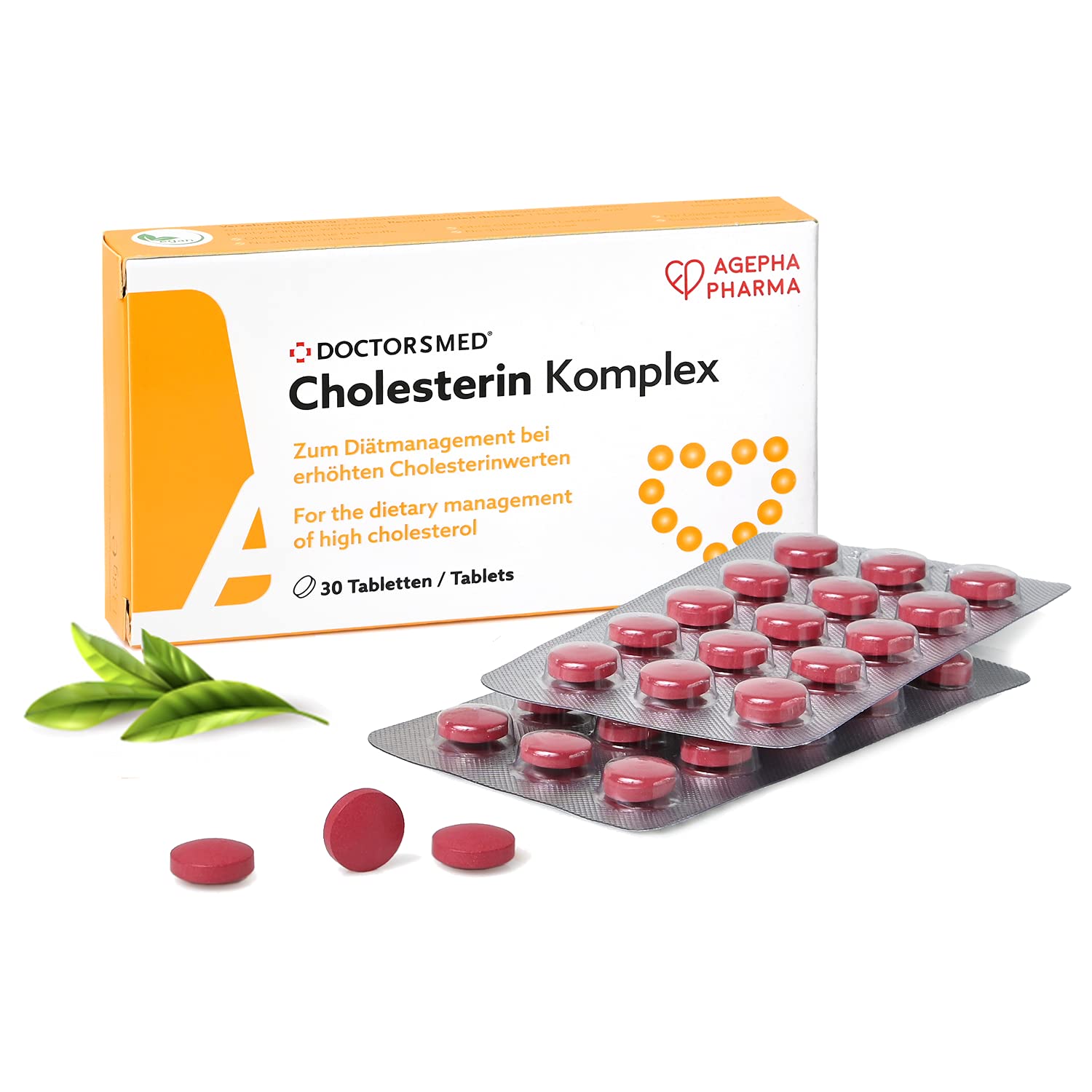
High Cholesterol is a medical condition and cannot be purchased. However, medications and treatments for managing High Cholesterol can be obtained from pharmacies with a prescription from a healthcare provider.
Detailed Explanation of High Cholesterol
High Cholesterol, also known as hypercholesterolemia, refers to the presence of elevated levels of cholesterol in the blood. Cholesterol is a waxy, fat-like substance that is essential for building cell membranes and producing hormones. However, when cholesterol levels exceed the normal range, it can lead to various health issues.
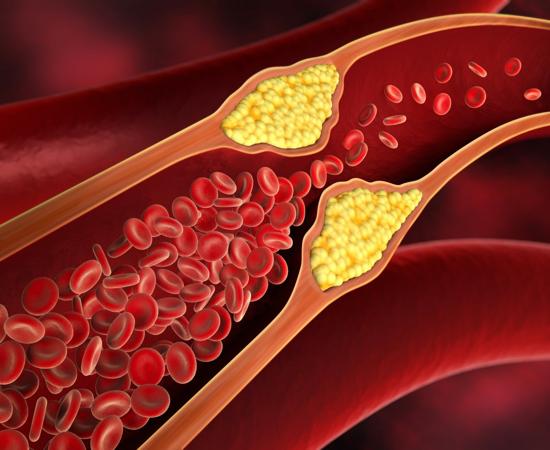
There are two primary types of cholesterol: low-density lipoprotein (LDL) and high-density lipoprotein (HDL). LDL cholesterol is often referred to as “bad” cholesterol as it can accumulate in arteries and contribute to plaque formation, increasing the risk of cardiovascular problems. On the other hand, HDL cholesterol is known as “good” cholesterol as it helps remove LDL cholesterol from the bloodstream.
High Cholesterol levels are mainly influenced by dietary choices, physical activity levels, genetics, and certain medical conditions. Individuals with High Cholesterol may be advised to follow a specific diet, engage in regular exercise, and take prescribed medications to lower their cholesterol levels and reduce the risk of complications.
Introduction
High Cholesterol is a common health concern affecting millions of people worldwide. Understanding the causes, symptoms, and treatment options for High Cholesterol is crucial for maintaining overall health and well-being.
Conclusion
High Cholesterol is a manageable condition that requires attention and proactive lifestyle changes. By adopting a healthy diet, staying physically active, and working closely with healthcare professionals, individuals can effectively control their cholesterol levels and reduce the risk of associated health complications.